craigslist
- 4.7
- Rating
- 10.00M
- Installs
- Free
- Price

 Analysis by App-foxy
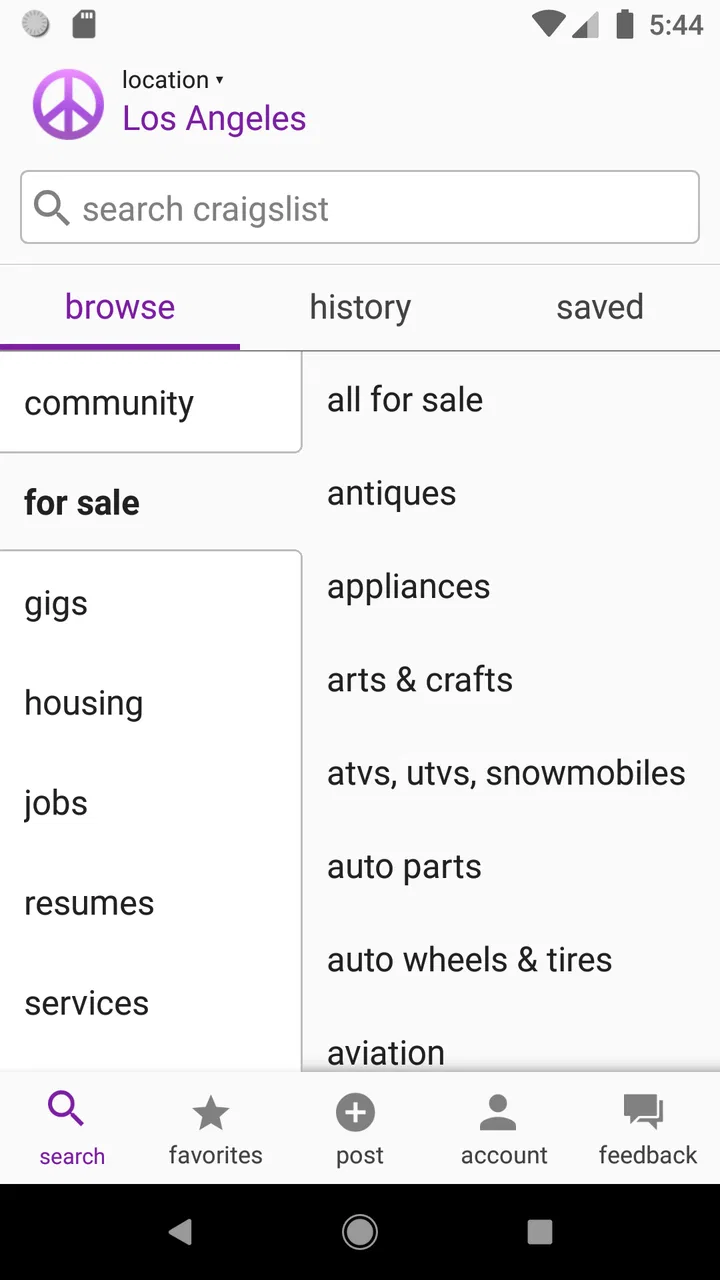
I approached craigslist as a practical shopping app rather than a polished retail marketplace. Its purpose is straightforward: help people find local listings, sell unwanted items, look for work, hire help, rent property, and connect with others through classified ads. After spending time with it, my impression is that its biggest strength is also its biggest challenge: the app keeps the process close to traditional classifieds, so you get a broad range of possibilities without the heavy layer of automation and presentation found in newer marketplace apps.
That makes it useful when I already know what I want and am willing to inspect listings carefully. It is less comfortable when I expect a guided buying experience, built-in reassurance, or a neatly managed checkout. The developer is craigslist.org, the app is free, and it is listed for Teen users. Its average rating is 4.7 from around 258 thousand ratings, with more than 10 million installs, so it clearly has a large audience despite its deliberately plain approach.
What using craigslist feels like in everyday situations
The first thing I noticed is that craigslist is not trying to behave like a conventional online store. I do not open it expecting a stream of professionally photographed products, personalized recommendations, or a retailer standing behind every transaction. I open it with a task in mind: find a used desk nearby, check local rental listings, browse job posts, or see whether someone is offering a service I need.
You May Also Like

 Blood Strike: 2.5 Anniversary
Blood Strike’s Loadouts Turn Every Drop Into a Tactical Gamble
A close look at Blood Strike’s custom loadouts: how fast access to signature weapons reshapes its battle royale rhythm, rewards preparation, and narrows the gap between fights.

 Pandora - Music & Podcasts
Pandora’s Music Is Easy to Start, but Harder to Recover
Pandora’s strength is its low-effort path from a seed to a station. Its weak spot is how much confidence it asks you to place in connection, setup, and quiet recovery.

 8 Ball Pool
 Is Built on Rivalries, Rematches, and Routine
A close look at the rivalries, rematches, shared routines, and unanswered safety questions that turn a quick pool match into a persistent mobile community.

 Samsung Music
’s Quiet Strength Is Playing What You Already Own
Its reach comes less from spectacle than from dependable access to a personal library. That simplicity is both the app’s strongest retention engine and its ceiling.

 AccuWeather: Weather Radar
AccuWeather Review: A Quick, Clear Forecast for Everyday Decisions
For everyday plans, the best forecast is the one you can understand quickly. AccuWeather makes rain timing, radar, and local conditions easy to act on, with a few trade-offs.

 Hill Climb Racing
Why Hill Climb Racing Still Turns Crashes Into One More Run
A tiny car, a bumpy hill and one more upgrade: Hill Climb Racing keeps resurfacing because its simple chaos makes every near-miss feel personal.
More From Our News Desk
View All News


That distinction matters. The app is best understood as a window into local classified listings. The person posting the item, room, job, or service remains central to the exchange. This can create opportunities that are difficult to find in more specialized apps, especially when a listing is unusual, local, inexpensive, or too specific for a large retail platform.
A realistic example would be moving into a new apartment and needing several things quickly. I might search for a table, storage shelves, a lamp, and a nearby moving service. Instead of visiting separate shopping, jobs, and service apps, I can look through the relevant craigslist sections in one place. The trade-off is that I must make more judgments myself: Is the description complete? Is the price believable? Does the seller explain the pickup arrangement? Is the listing still relevant?
I also found that the app suits people who are comfortable with short, information-heavy listings. Some posts are detailed and practical, while others require follow-up questions. The experience rewards patience more than casual browsing. If I am only looking for entertainment or impulse purchases, a visually richer marketplace may feel easier. If I want to search a local classified network with a wide range of categories, this app has a clear purpose.
Finding the right category without wasting time
One useful habit is to decide the type of transaction before searching. A request for a used bicycle, a room rental, a temporary job, and a repair service can all appear in the same general local ecosystem, but they require different standards of checking. Starting in the most relevant category reduces the number of irrelevant posts and makes it easier to notice what information is missing.
Search terms also need to be practical. A broad word may return too many unrelated results, while a very specific phrase can hide useful listings that use different wording. I get better results by trying a few variations based on the object, neighborhood, condition, and intended use. For example, when looking for furniture, I would try the item name, a broader category term, and a nearby area rather than relying on one perfect phrase.
Location is especially important. craigslist is built around local exchanges, so distance affects the real value of a listing. A cheap item can stop being cheap if transportation is difficult, pickup requires multiple trips, or the seller is farther away than expected. I treat the location shown in a post as part of the price calculation, not as a minor detail.
Another practical point is timing. Classified listings can change quickly, and a promising post may no longer be available when I respond. I would not plan a major purchase around one listing until the other person confirms the details. For routine items, it is sensible to keep several possibilities in view instead of becoming attached to the first attractive post.
Trust starts with the conversation, not the interface
The app gives me access to listings, but it does not remove the need for ordinary judgment. That is the central trust issue. A clean screen or familiar marketplace logo cannot tell me whether a particular person is reliable. I need to read the post, ask direct questions, and notice whether the answers match the original details.
I pay attention to simple signals: a clear description, a realistic explanation of the item’s condition, a sensible location, and a willingness to answer relevant questions. Vague urgency, unexplained changes, pressure to move the conversation in a different direction, or requests that do not fit the transaction make me slow down. These are not guarantees of safety, but they help me avoid treating every listing as equally trustworthy.
For an in-person exchange, I prefer a public, practical arrangement and tell someone I trust where I am going. For a large item that must be collected from a home, I think through transportation and whether another person should come with me. I also avoid sending money before I understand exactly what I am buying and how the handoff will work. The important point is that craigslist supports discovery; I remain responsible for deciding whether a deal is sensible.
This is where the app differs from platforms that emphasize payment protection, shipping workflows, seller histories, or formal dispute processes. Those alternatives may be better for expensive goods, long-distance purchases, or transactions where I cannot inspect the item first. craigslist is more appealing when local contact and flexibility matter more than a highly managed transaction.
Controls, privacy choices, and moments that deserve extra care
I treat privacy and safety as part of the transaction, not as settings I can set once and forget. Before replying or posting, I decide what details are truly necessary, and I keep a clear record of any important agreement. That habit matters especially when a conversation shifts from browsing to arranging a meeting, sharing documents, or letting a service provider into my home.
What the app lets me control in practice
From a user perspective, the most important controls are the choices I make around browsing, responding, and deciding what information to share. I can choose which categories to inspect, which listings to ignore, and whether a particular post deserves a reply. That may sound basic, but it is meaningful in a classified environment where not every listing deserves equal attention.
I also treat my reply as a privacy decision. Before sending a message, I consider whether the other person needs my full name, exact address, workplace, or other personal details. Usually, an initial question can stay focused on the item or arrangement. I can discuss the general location and availability first, then share only the information needed to complete a legitimate exchange.
The same approach applies to listings I create. A seller may want to describe an item accurately without exposing a home address or a predictable daily routine. I would use a general area rather than unnecessary personal details and remove identifying information from photographs when possible. A picture can reveal more than the object itself, including house numbers, documents, or a distinctive view from a window.
One of the less obvious trade-offs is that convenience and privacy often pull in opposite directions. The more detail I provide, the easier it may be for a serious buyer to decide quickly. At the same time, excessive detail can expose information that has nothing to do with the sale. I try to include the condition, dimensions, pickup expectations, and relevant limitations while leaving out personal background that does not help the transaction.
Data-sensitive moments are usually created by the user
When I use a classifieds app, the most sensitive moments often happen outside the simple act of reading a listing. They happen when I create an account, contact another person, post an image, discuss a job, or arrange a meeting. Those actions deserve more thought than merely scrolling through categories.
If I am looking for work, for example, I would be careful about sending identity documents, banking information, or sensitive personal details during an initial exchange. A job post can be useful for discovering an opportunity, but the app should not make me lower my normal standards for employment-related information. I would verify who I am dealing with before sharing anything that could be misused.
Rental listings require a similar level of caution. A room or apartment can look attractive in a short post, but I would want to understand the viewing arrangement, terms, and identity of the person offering it before making commitments. A request for money before a reasonable verification step would be a strong reason for me to stop and reassess.
Service listings create a different concern. If I hire someone to enter my home, I am not only evaluating price and availability; I am deciding how much personal information to reveal and what access to provide. I would keep the first conversation focused, confirm the scope of work, and avoid sharing unnecessary details about who lives in the property or when it is usually empty.
Why the lack of a heavily managed checkout can matter
For me, the absence of a retail-style process is neither automatically good nor bad. It can make local arrangements more flexible. I may be able to ask questions, negotiate a pickup time, or arrange a service in a way that does not fit a standardized checkout form. It can also make unusual listings easier to handle because the interaction is not forced into a narrow product template.
However, that flexibility means I should not assume that the app is guaranteeing the condition of an item, the identity of a poster, or the outcome of a private agreement. If I need predictable delivery, a documented return path, or a clear dispute process, I would choose a more structured marketplace. For a low-cost local purchase that I can inspect myself, craigslist may be the more direct option.
This is one of the app’s most important user-choice questions: do I want control over the conversation, or do I want a platform to manage more of it for me? craigslist favors the first option. That can feel empowering when I know how to evaluate a deal, but uncomfortable when I want the platform to absorb the risk.
Account habits that improve the experience
I recommend treating the account as a tool rather than a complete identity badge. A profile or posting history, where visible in the context of a transaction, should not replace basic verification. I still compare the person’s messages with the listing and avoid rushing because a post appears established or familiar.
When posting, I would review the text before publishing and remove details that are not needed. Clear wording helps legitimate people respond efficiently, while unnecessary personal information creates avoidable exposure. When replying, I would keep early messages concise and specific: ask whether the item is available, confirm the general location, request clarification about condition, and decide afterward whether the exchange is worth continuing.
I also find it useful to keep a written record of agreed details. A short message confirming the item, price, meeting arrangement, or work scope can prevent confusion later. This is particularly valuable when several conversations are active at once. It is a small habit, but it compensates for the fact that classified transactions can be informal.
Who should use it and who should choose something else
craigslist is a strong fit for people who value local variety, direct communication, and the possibility of finding practical deals outside mainstream retail channels. It works well for used furniture, local services, housing searches, work opportunities, and items that are inconvenient to ship. It can also help someone sell a bulky object that makes little sense to package and send.
I would recommend it to a careful buyer who is happy to inspect an item, ask questions, arrange pickup, and walk away when the details do not make sense. It is also useful for someone who wants to compare local possibilities across several types of classified activity instead of maintaining separate apps for every need.
I would be more cautious about recommending it for high-value purchases, urgent financial decisions, remote transactions, or situations involving sensitive documents. It is not the first place I would choose if I needed strong buyer protection, guaranteed shipping, identity verification, or a formal resolution process. A specialized rental, employment, or resale service may be better when that category requires more structured safeguards.
The app is free, which lowers the barrier to trying it, but free access does not remove the practical costs of using classifieds. Time spent messaging, travel for pickup, equipment needed to move an item, and the effort of checking a listing all matter. I judge a deal by its total burden rather than by the number shown in the post.
How it compares with familiar alternatives
Compared with a large retail marketplace, craigslist feels less polished and less protective, but it may offer more local and unconventional options. Compared with a social marketplace, it feels less dependent on a person’s broader online identity and more focused on the classified post itself. Compared with a specialist job, rental, or service platform, it is broader but usually requires more independent checking.
That comparison explains why I would keep it alongside, rather than instead of, other apps. For a new electronic device, a retailer may provide clearer guarantees. For a shipped used item, a resale platform may make payment and delivery easier. For a job, a dedicated employment service may offer tools that are more relevant to applications. For a local sofa, repair request, or short-term opportunity, craigslist can be more direct.
The app’s current version is 1.27.0 and it supports devices running Android 7.0 or later. Those details make it accessible to people using older Android hardware, although the overall experience is still shaped more by the classified model than by cutting-edge interface features. I would not choose it because it feels modern; I would choose it because the local listings and categories solve a particular problem.
My cautious verdict after using the app
My final view is that craigslist remains useful precisely because it does not try to turn every exchange into a conventional online shopping journey. It gives me a broad local marketplace for buying, selling, renting, hiring, finding work, and arranging services, then leaves much of the judgment in my hands. That can produce excellent results when I am patient and realistic.
The trust model is therefore practical rather than automatic. I look at the information in the listing, control what I reveal, keep early conversations focused, verify important details, and avoid pressure. I would never treat a high rating or a familiar app as a substitute for checking the individual transaction. The large audience makes the service useful, but it also means I should approach each contact on its own merits.
For me, the best use case is a local, moderate-risk exchange where I can inspect the item or understand the service before committing. The weakest use case is a costly or remote deal where I need the platform to guarantee payment, delivery, identity, or resolution. That boundary is easy to overlook, and recognizing it is more important than any single interface convenience.
My recommendation is simple: use craigslist when you want local choice and are prepared to manage the conversation yourself. I would install it for practical searches and occasional selling, but I would pair it with careful privacy habits and a firm willingness to walk away. If that level of personal responsibility sounds tiring, a more managed alternative will probably suit you better. If you appreciate direct classifieds and know how to evaluate a deal, this free shopping app is still worth keeping available.
The app was released on December 2, 2019, and its Teen age rating is worth remembering because the service covers many kinds of public listings and conversations. I would use it with the same awareness I bring to any open classifieds environment: keep personal choices deliberate, share only what is necessary, and let the quality of the specific listing—not the convenience of the app—decide whether I proceed.
FAQs for craigslist
01What is Craigslist and how does it work?
Craigslist is an online classifieds platform where users can post ads for various categories such as jobs, housing, for sale items, services, community events, and more. Users can browse through listings by category and location to find what they need. The platform is straightforward and operates mainly through user-generated content.
02Is Craigslist a free service?
Yes, Craigslist is primarily a free service for most of its users. You can browse and post ads without any cost in most categories. However, there are certain sections, like job postings in some cities or brokered apartment listings, where a fee is required. These charges help maintain the platform.
03How can I ensure safety while using Craigslist?
Safety is crucial when using Craigslist. Always meet in public places during daylight for transactions, and bring someone with you if possible. Avoid sharing personal information and be cautious of deals that seem too good to be true. Craigslist provides safety tips on their website that users should review before engaging in transactions.
04Can I post ads on Craigslist from my mobile device?
Yes, you can post ads on Craigslist directly from your mobile device. The website is mobile-friendly, and there are third-party apps that can facilitate ad posting. Ensure that your ad complies with Craigslist’s guidelines to avoid removal or suspension of your account.
05How do I contact Craigslist customer support?
Craigslist does not have a traditional customer support line. Users can visit the Help section on the Craigslist website for FAQs and guidelines. There is a contact form available for reporting issues such as scams or technical problems. Craigslist relies heavily on community flagging for maintaining the platform's integrity.
Pros
- Wide variety of listed items.
- Free to post and browse ads.
- Simple and user-friendly interface.
- Localized listings for better relevance.
- No account required for browsing.
Cons
- Limited buyer/seller protection.
- High risk of scams and fraud.
- No integrated payment system.
- Outdated design and aesthetics.
- Limited customer support options.

craigslist
Gallery